In today’s fast‑paced and technology‑driven world, businesses can no longer rely only on traditional methods of promotion. Customers now spend a major part of their time online—searching on Google, scrolling through social media, watching videos, and shopping on websites. This shift in consumer behavior has made digital marketing one of the most important tools for business growth. Whether you run a small local shop or a large enterprise, digital marketing helps you reach the right audience at the right time.
What Is Digital Marketing?
Digital marketing refers to all marketing efforts that use the internet and digital platforms to promote products or services. It involves connecting with potential customers through online channels such as search engines, social media platforms, websites, email, and mobile applications.
Unlike traditional marketing methods like newspapers, hoardings, or television ads, digital marketing allows businesses to interact directly with their audience. It is measurable, cost‑effective, and highly targeted. Businesses can track performance in real time and make improvements instantly.
In simple words, digital marketing is the practice of promoting a brand online to attract, engage, and convert customers.
Key Components of Digital Marketing
Digital marketing is a broad field that includes multiple strategies. Each component plays a unique role in building online visibility and driving business growth.
Search Engine Optimization (SEO)
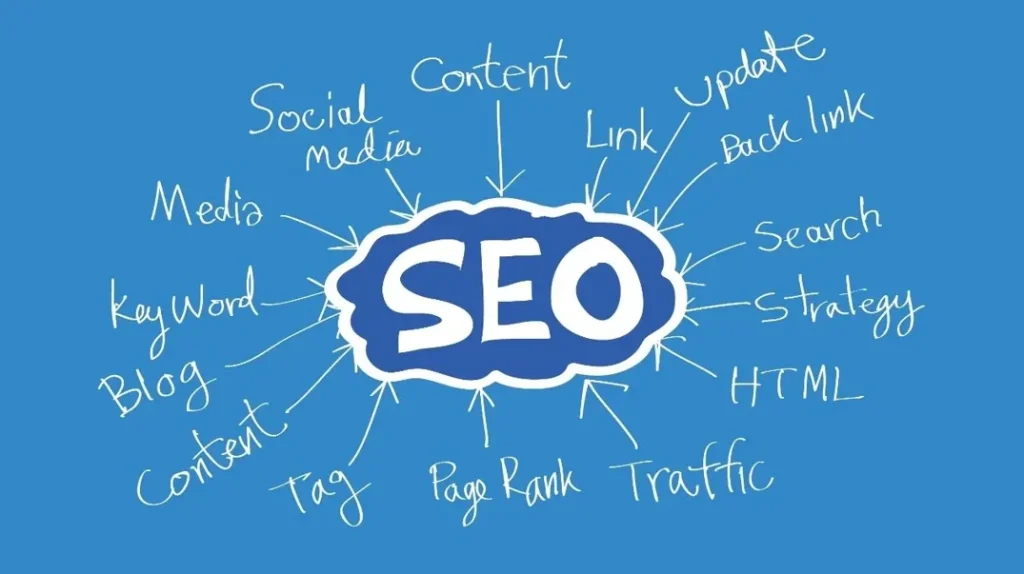
SEO is the process of optimizing a website to rank higher on search engines like Google. When users search for products or services related to your business, SEO helps your website appear in top search results. Higher visibility leads to more organic traffic and better brand credibility.
SEO focuses on keyword optimization, quality content, technical performance, and backlinks. For long‑term growth, SEO is one of the most powerful digital marketing techniques.
Content Marketing
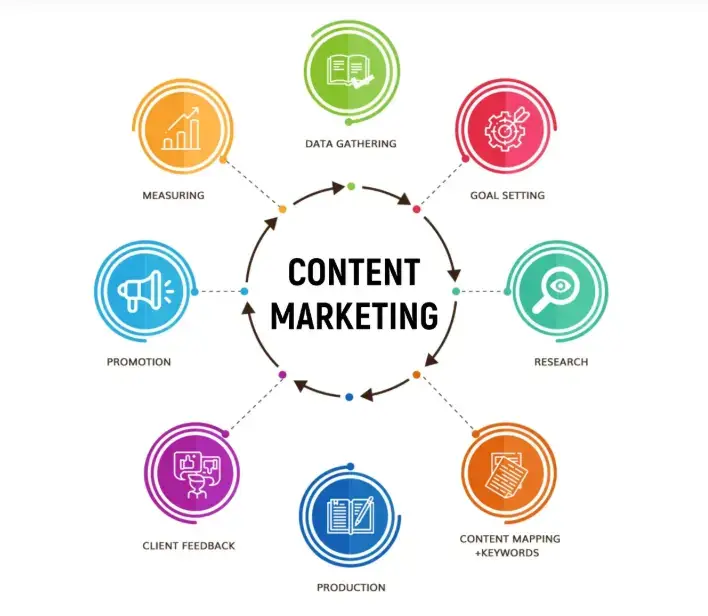
Content marketing involves creating valuable and informative content to attract and retain customers. Blogs, articles, videos, infographics, and case studies are common forms of content marketing.
Instead of directly selling, content marketing educates the audience and builds trust. High‑quality content also supports SEO and positions a business as an authority in its industry.
Social Media Marketing
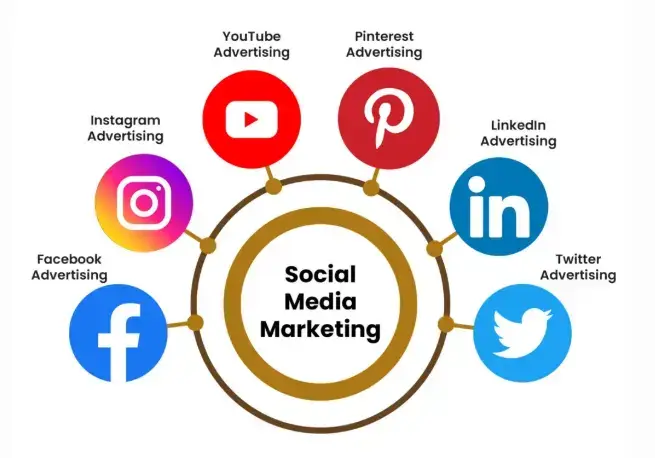
Social media marketing uses platforms like Facebook, Instagram, LinkedIn, X (Twitter), Threads, and YouTube to connect with audiences. It helps businesses build relationships, increase brand awareness, and drive website traffic.
Through organic posts and paid advertisements, businesses can target specific demographics based on age, location, interests, and behavior.
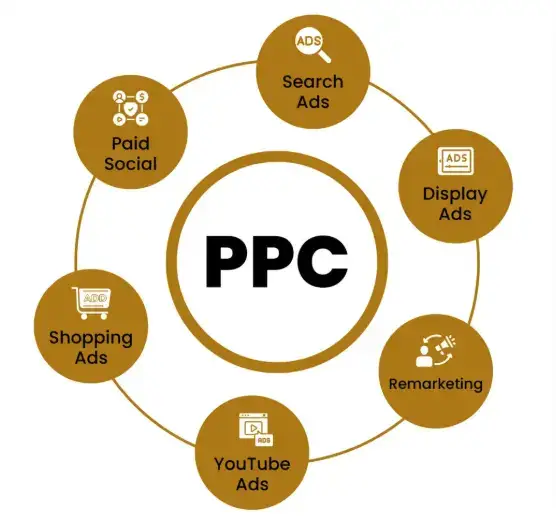
Pay‑Per‑Click Advertising (PPC)
PPC is a paid digital marketing strategy where businesses pay for each click on their advertisement. Google Ads and social media ads are popular examples. PPC delivers instant visibility and is highly effective for generating quick leads and sales.
With proper targeting and budget control, PPC can deliver high returns on investment.
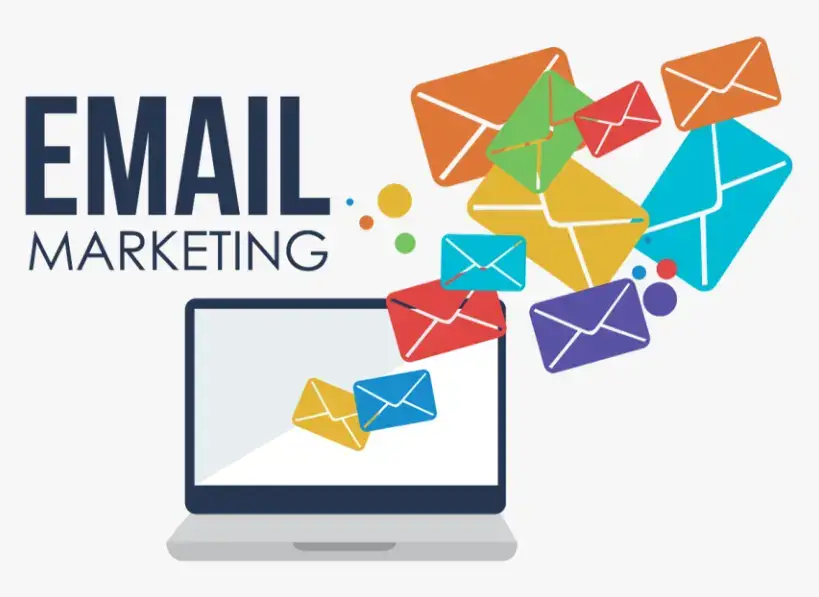
Email Marketing
Email marketing remains one of the most effective digital marketing channels. It allows businesses to communicate directly with customers through personalized emails.
Businesses use email marketing for newsletters, promotions, product updates, and customer engagement. It helps build long‑term relationships and improves customer retention.
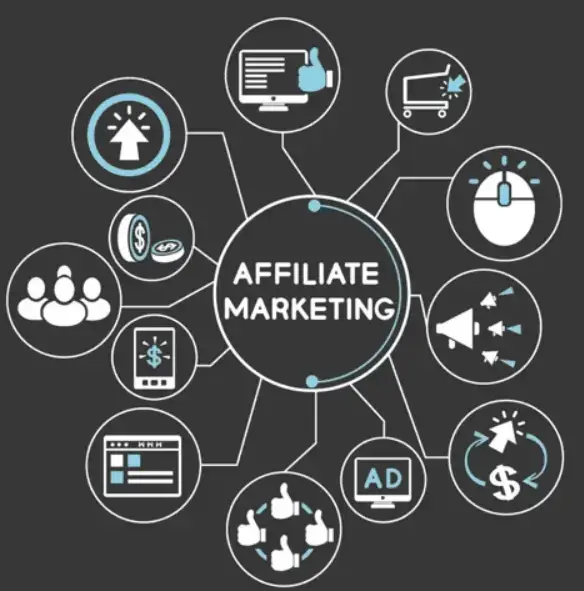
Affiliate and Influencer Marketing
Affiliate marketing involves partnering with individuals or platforms that promote your products in exchange for a commission. Influencer marketing focuses on collaborating with social media influencers who have a loyal following.
These strategies help businesses reach new audiences and build trust through recommendations.
Why Digital Marketing Is Important for Every Business
Digital marketing is no longer optional. It has become essential for survival and growth in a competitive marketplace. Below are the key reasons why digital marketing is important for every business.
Global and Local Reach
Digital marketing allows businesses to reach customers beyond geographical boundaries. A small business can attract customers from different cities or even countries through online platforms.
At the same time, local SEO and location‑based ads help businesses target nearby customers effectively. This balance of global and local reach makes digital marketing extremely powerful.
Cost‑Effective Marketing Solution
Compared to traditional advertising, digital marketing is more affordable and delivers better results. Small businesses with limited budgets can compete with larger brands using smart digital strategies.
Campaigns can be customized based on budget, and businesses only pay for measurable actions like clicks, leads, or conversions.
Targeted Audience and Personalization
One of the biggest advantages of digital marketing is precise targeting. Businesses can show ads and content only to users who are most likely to be interested.
Personalization improves customer experience and increases conversion rates. From personalized emails to customized ads, digital marketing makes communication more relevant.
Measurable Results and Analytics
Digital marketing provides detailed insights into campaign performance. Tools like Google Analytics help businesses track website traffic, user behavior, conversion rates, and ROI.
This data‑driven approach allows businesses to improve strategies and make informed decisions.
Builds Brand Credibility and Trust
A strong online presence builds credibility. When a business appears on search engines, social media, and informative blogs, customers trust the brand more.
Positive reviews, consistent content, and professional branding help establish authority in the market.
Higher Engagement with Customers
Digital marketing encourages two‑way communication. Customers can comment, message, share, and provide feedback in real time.
This engagement helps businesses understand customer needs better and build long‑lasting relationships.
Supports Business Growth and Scalability
Digital marketing strategies can be scaled easily. As a business grows, campaigns can be expanded without major infrastructure changes.
From launching new products to entering new markets, digital marketing supports sustainable growth.
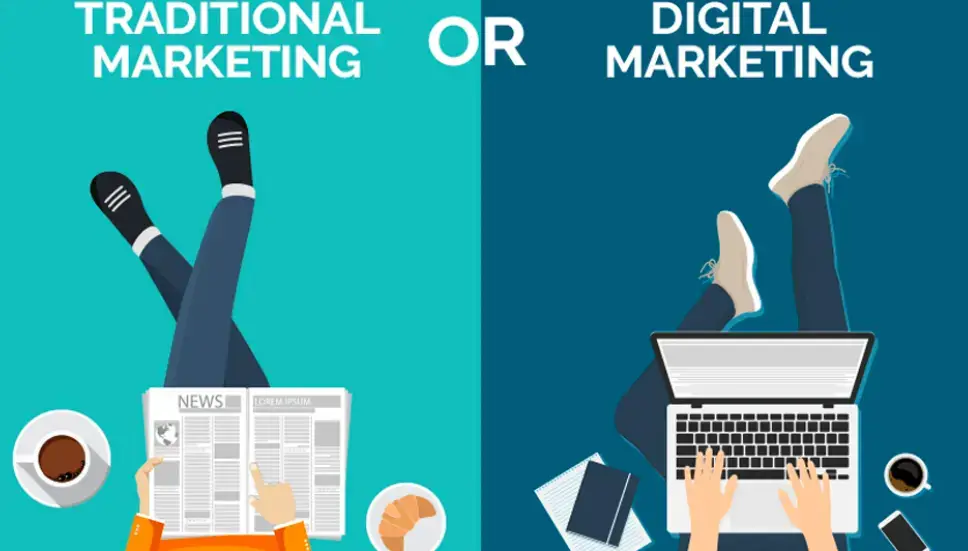
Digital Marketing vs Traditional Marketing
Traditional marketing relies on offline channels such as newspapers, radio, television, and billboards. While these methods still have value, they lack precision and measurable outcomes.
Digital marketing, on the other hand, offers:
*Better targeting
*Real‑time performance tracking
*Higher engagement
*Flexible budgets
*Faster results
The ability to adapt quickly makes digital marketing more effective in today’s dynamic environment.

Role of Digital Marketing for Small and Large Businesses
For Small Businesses
Digital marketing helps small businesses compete with established brands. Through local SEO, social media, and content marketing, small businesses can attract customers without huge investments.
It provides visibility, lead generation, and customer engagement at a manageable cost.
For Large Businesses
Large businesses use digital marketing to strengthen brand presence, manage reputation, and reach wider audiences. Advanced analytics, automation, and omnichannel strategies help optimize performance.
Future of Digital Marketing
The future of digital marketing is strongly connected with rapid technological advancements and changing consumer expectations. As internet usage continues to grow, businesses must adapt to new tools and platforms to stay competitive.
Artificial intelligence (AI) is playing a major role in digital marketing by helping businesses analyze customer behavior, automate campaigns, and deliver personalized experiences. AI-powered chatbots, predictive analytics, and smart recommendations are already transforming customer interactions.
Voice search is another emerging trend. With the increasing use of voice assistants like Alexa, Google Assistant, and Siri, businesses need to optimize their content for conversational and voice-based queries. This makes SEO more focused on user intent rather than just keywords.
Video marketing will continue to dominate digital platforms. Short-form videos, live streaming, and interactive video content are becoming highly popular among users. Businesses that invest in video storytelling can capture attention more effectively and increase engagement.
Personalization and user experience will remain at the center of digital marketing strategies. Customers expect relevant content, quick responses, and seamless online experiences. Brands that prioritize customer needs and build meaningful connections will succeed in the long run.
Overall, digital marketing will keep evolving, and businesses that stay updated with trends and focus on value-driven strategies will gain a competitive advantage.
How Digital Marketing Improves Customer Experience
Customer experience has become a key factor in business success, and digital marketing directly contributes to improving it.
Through digital marketing, businesses can provide quick responses to customer queries via chatbots, emails, and social media messages. This instant communication builds trust and satisfaction.
Personalized content is another advantage. Digital marketing allows businesses to show relevant ads, recommendations, and messages based on customer behavior and interests. This makes customers feel valued and understood.
Digital platforms also give customers easy access to information. A well-optimized website, helpful blog posts, and active social media profiles improve usability and convenience, leading to a better overall experience.
Why Digital Marketing Is a Long-Term Investment
Many businesses expect instant results, but digital marketing delivers its biggest benefits over time. Strategies like SEO, content marketing, and email marketing create long-term value.
SEO-driven content can generate organic traffic for months or even years without additional cost. Blogs written today can continue bringing visitors and leads in the future.
Similarly, building an email list and social media audience creates owned assets for a business. These assets help businesses stay connected with customers without depending entirely on paid advertising.
Digital marketing also allows continuous learning and improvement. With performance data and analytics, businesses can refine strategies, improve content quality, and increase efficiency over time.
Final Thoughts
Digital marketing is no longer just a marketing option; it is a business necessity. It helps businesses stay visible, competitive, and relevant in an increasingly digital world.
From building brand awareness to driving sales and customer loyalty, digital marketing supports every stage of business growth. Businesses that invest in the right digital marketing strategies are better prepared for future challenges and opportunities.
By adopting digital marketing with a clear plan and customer-focused approach, businesses can achieve sustainable success and long term growth.