Migration?
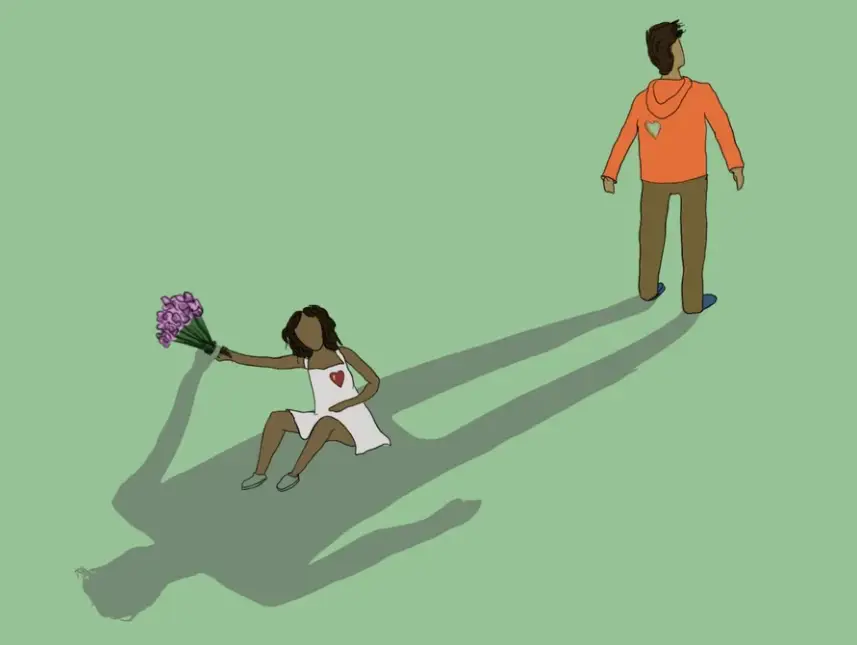
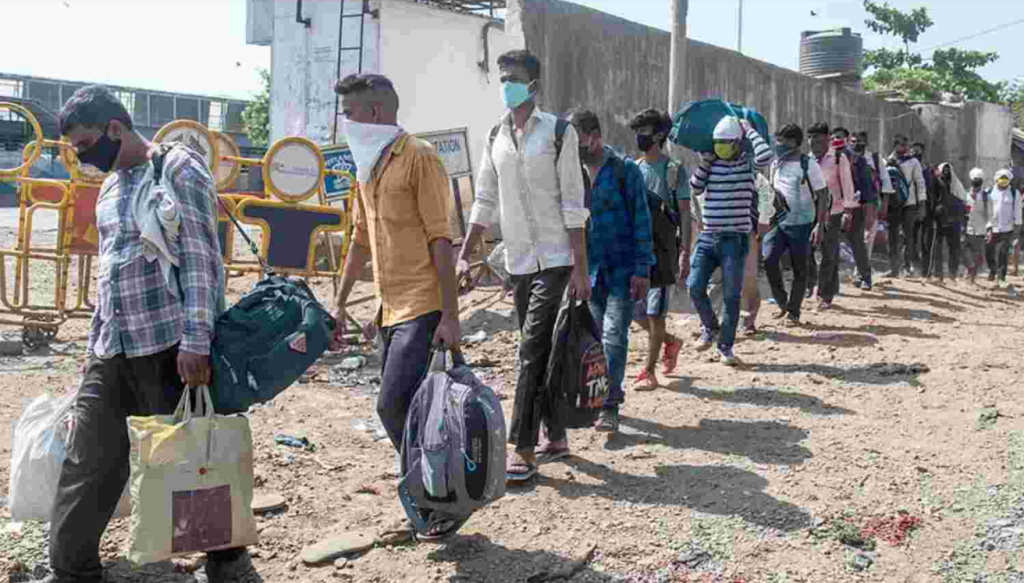
Migration is often discussed in numbers, policies, and borders, but rarely in emotions, struggles, and human stories. Headlines speak of “illegal migrants,” “border crises,” and “security threats,” while the real people behind these labels remain invisible. In this noise of politics and fear, one truth is frequently forgotten: migration is not an offense. It is a deeply human act driven by survival, hope, and the desire for dignity.
To truly understand migration, we must move beyond laws and statistics and look at the human side of movement: the lives, dreams, and hardships that push people to leave one place and begin again in another.
Migration as a Human Experience
Migration is not a modern phenomenon. Since the beginning of civilization, humans have moved in search of food, safety, shelter, and opportunity. Ancient trade routes, cultural exchanges, and even the spread of knowledge were possible because people moved. Today’s migration is simply a continuation of this natural human behavior.
No one wakes up one day and casually decides to leave behind their home, language, culture, and loved ones. Migration is rarely easy or comfortable. It often involves fear, uncertainty, loss, and sacrifice. Understanding this emotional reality is essential before judging migrants through legal or political lenses.
Why People Migrate: More Than Just Choice
Migration is often portrayed as a voluntary decision, but for many, it is not a choice — it is a necessity. People move for various reasons, many of which are beyond their control.
Some migrate to escape:
- War and armed conflict
- Political persecution and human rights violations
- Religious or ethnic discrimination
- Extreme poverty and hunger
Others move because of:
- Climate change and natural disasters
- Lack of employment opportunities
- Inaccessible education or healthcare
- Family reunification
When survival is at stake, movement becomes an act of courage, not crime. Labeling such people as offenders ignores the reality of their circumstances.
The Harm of Criminalizing Migration
One of the biggest challenges migrants face is being treated as criminals simply for crossing borders. The term “illegal migrant” reduces a human being to a legal status and strips away their dignity.
Criminalizing migration leads to:
- Social stigma and discrimination
- Exploitation of workers due to fear of deportation
- Mental health trauma, anxiety, and isolation
- Family separations and unsafe living conditions
Laws are meant to protect people, not punish them for seeking safety or opportunity. When systems fail to recognize human suffering, they lose their moral foundation.
International human rights principles clearly state that every person has the right to move, seek asylum, and live with dignity. Migration, especially in cases of forced displacement, is closely tied to basic human rights such as the right to life, freedom, and security.
International human rights principles clearly state that every person has the right to move, seek asylum, and live with dignity. Migration, especially in cases of forced displacement, is closely tied to basic human rights such as the right to life, freedom, and security.
Refugees and asylum seekers are not breaking the law; they are exercising their right to seek protection. When borders become barriers to humanity, they contradict the very values they claim to protect.
Recognizing migration as a human rights issue rather than a criminal one is crucial for building fair and compassionate societies.
Seeing Migrants as Contributors, Not Burdens
A common narrative suggests that migrants are a burden on economies and public services. This perception is not only misleading but also harmful.
In reality, migrants:
- Fill essential roles in healthcare, agriculture, construction, and service industries
- Pay taxes and contribute to national economies
- Start businesses and create employment opportunities
- Support aging populations in many countries
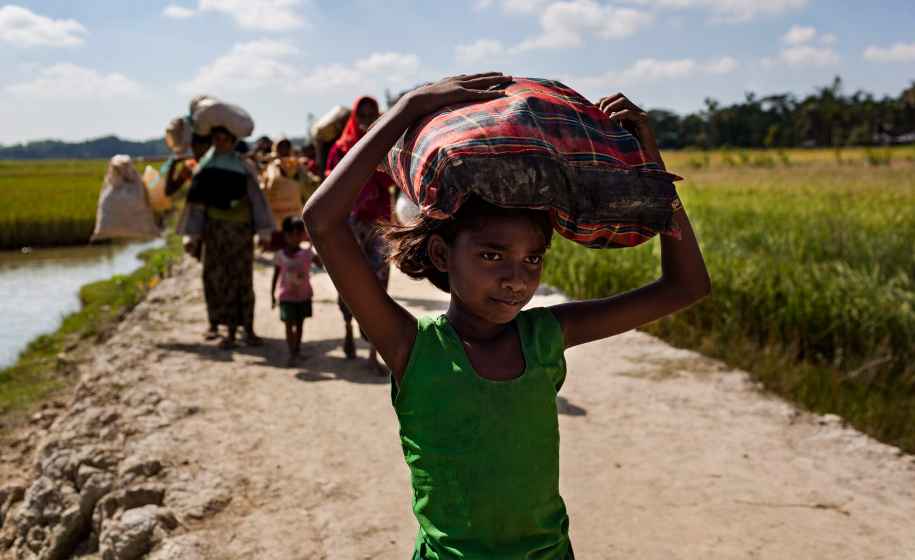
Behind every migrant worker is a story of resilience — people willing to take risks, work hard, and adapt to new environments. Their contributions often go unnoticed while their struggles are highlighted.
Understanding the human effort behind economic contribution changes how we perceive migration.
The Cultural Side of Movement
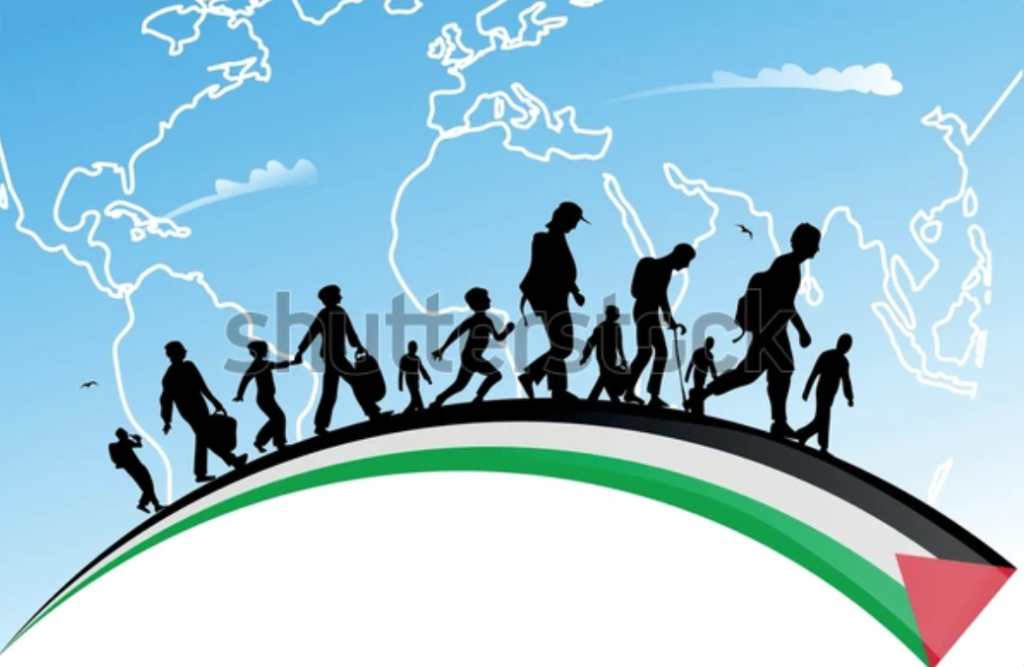
Migration is not just about labor or survival; it is also about culture. When people move, they bring traditions, languages, food, music, and values with them. This cultural exchange enriches societies and strengthens communities.
Some of the world’s most vibrant cities thrive because of diversity created by migration. Cultural blending leads to innovation, creativity, and broader perspectives. Rather than threatening identity, migration expands it.
Fear of cultural loss often comes from misunderstanding. Embracing diversity does not erase local traditions — it adds new layers to them.
Forced Migration and Global Responsibility
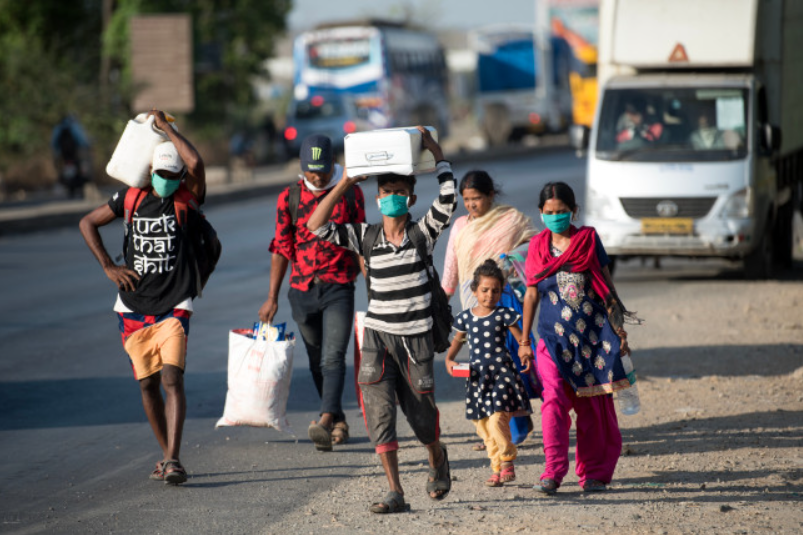
Millions of people today are displaced due to conflicts and environmental crises they did not create. Climate change, wars, and political instability force families to abandon everything familiar. These individuals are not migrants by choice; they are survivors.
Global responsibility means acknowledging that displacement is often the result of international systems, economic inequality, and political decisions. Turning away people in need does not solve these problems — it deepens them.
A humane response to forced migration reflects global solidarity and shared responsibility.
Fear, Misinformation, and Reality
It is often linked to crime and insecurity, but research consistently shows that migrants are not more likely to commit crimes than native populations. Fear-driven narratives are usually based on misinformation rather than facts.
Such narratives serve political agendas but damage social harmony. When migrants are portrayed as threats, societies become divided, and real issues like unemployment, corruption, and inequality remain unaddressed.
Understanding the human side of migration helps dismantle fear and replace it with empathy.
The Emotional Cost of Movement
It comes with an emotional price. Leaving home means leaving memories, relationships, and a sense of belonging. Migrants often struggle with loneliness, cultural shock, and identity crises.
Children grow up navigating two worlds. Parents work long hours under stressful conditions. Many migrants live with constant uncertainty about their future.
Recognizing this emotional burden reminds us that migration is not an easy path; it is a journey filled with sacrifice.
Building Humane Migration Policies
Accepting that migration is not an offence does not mean ignoring borders or laws. It means creating systems that are realistic, fair, and compassionate.
Better approaches include:
- Safe and legal migration pathways
- Fair asylum processes
- Protection of workers’ rights
- Integration programs that promote inclusion
- International cooperation instead of punishment
Policies should reflect human dignity rather than fear-based control.
Changing the Narrative
The way we talk about migration matters. Language shapes attitudes. When we choose words that respect humanity, we change perceptions.
Migrants are not invaders.
They are not criminals.
They are people.
Understanding migration through a human lens encourages empathy, fairness, and coexistence.
Conclusion: Humanity Beyond Borders
Migration is not an offence; it is a reflection of human resilience. Every movement tells a story of hope, survival, and courage. Borders may define nations, but compassion defines humanity.
A just world is not built by excluding people, but by understanding them. When we look beyond documents and labels, we see what migration truly is: a human journey toward dignity and life.
Understanding the human side of movement is the first step toward a more inclusive and humane future.